


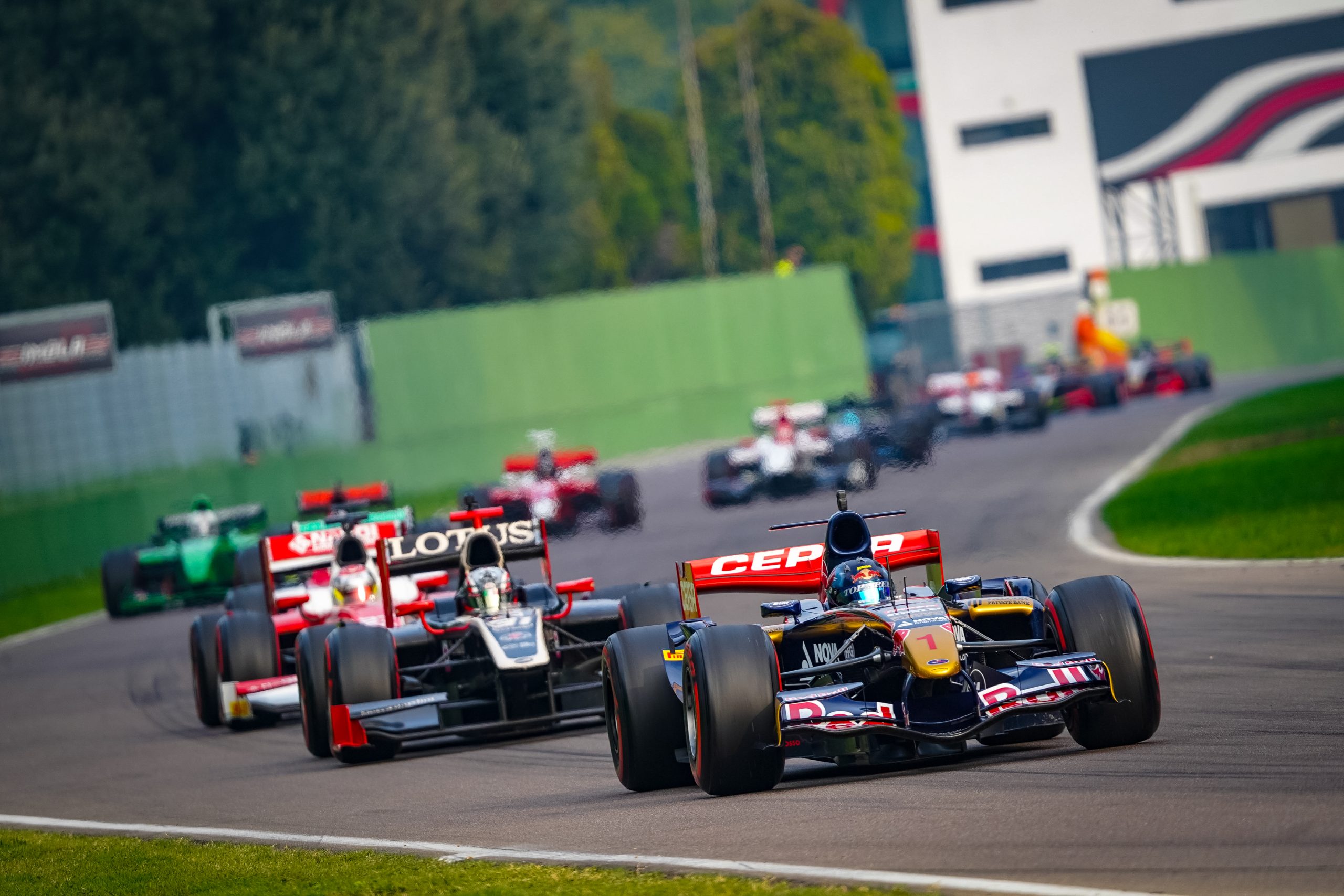
No series in Europe pits cars against each other that are as fast as those competing in BOSS GP. For almost 35 years, the grid has brought together powerful single-seaters from the 1990s to the present day.
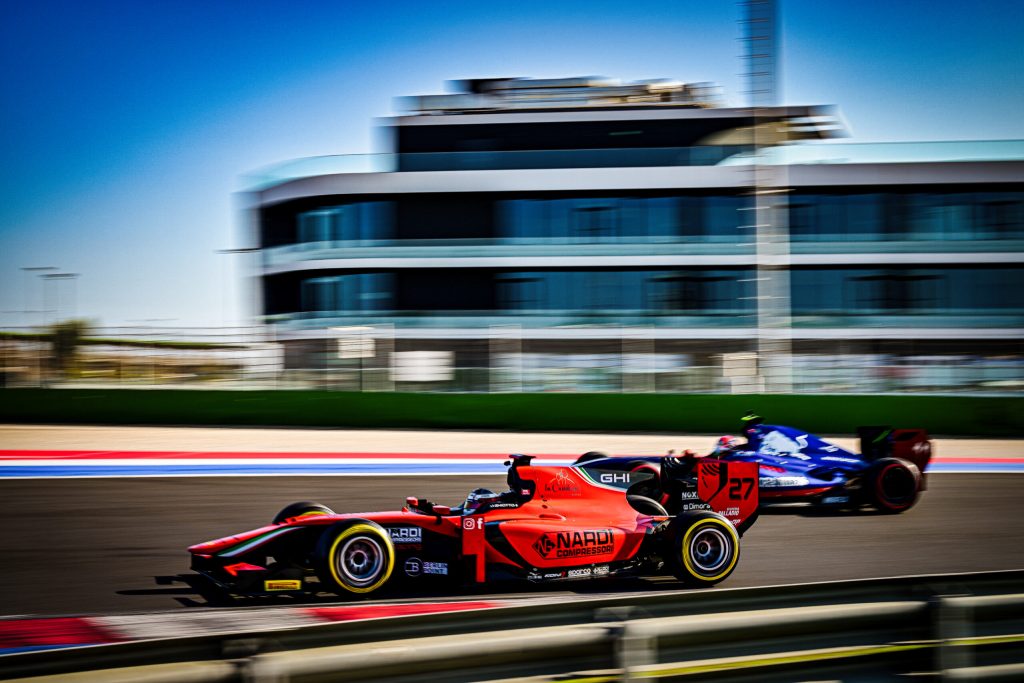
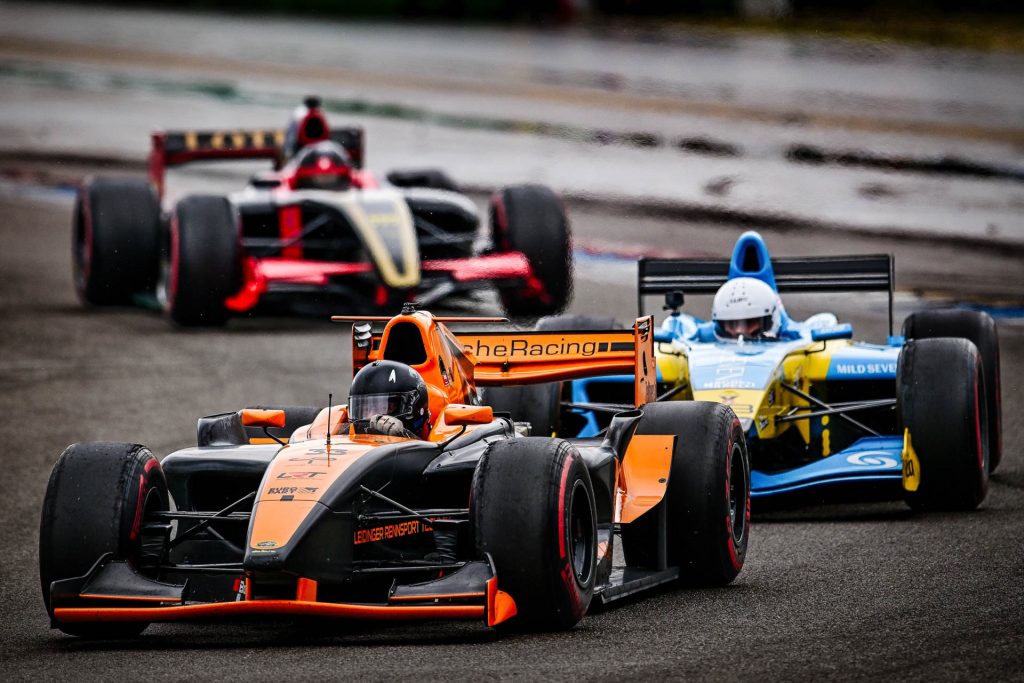
BOSS GP is officially authorized as an International Championship by the FIA. Cars eligible for BOSS GP comply with the regulations of leading recent single-seater categories, including Formula 1, Formula 2, Formula 3000, GP2, World Series by Renault 3.5, A1GP, IndyCars and even the exotic Formula Nippon. Together, they offer the fastest and most thrilling motorsport in the world, which is unrivalled in its form within the global motorsport universe.
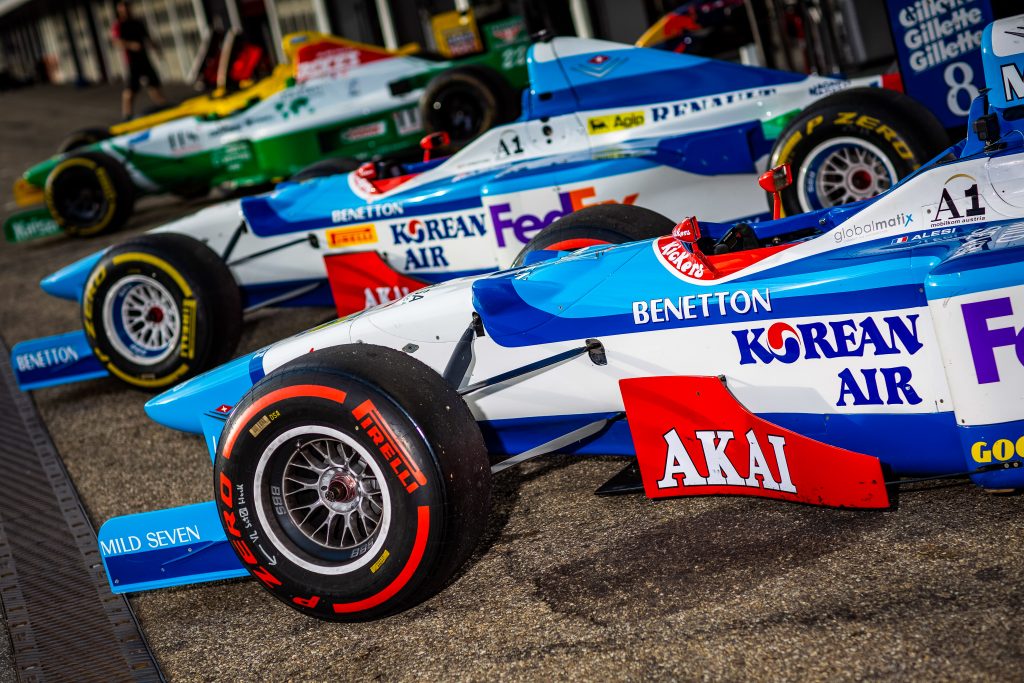
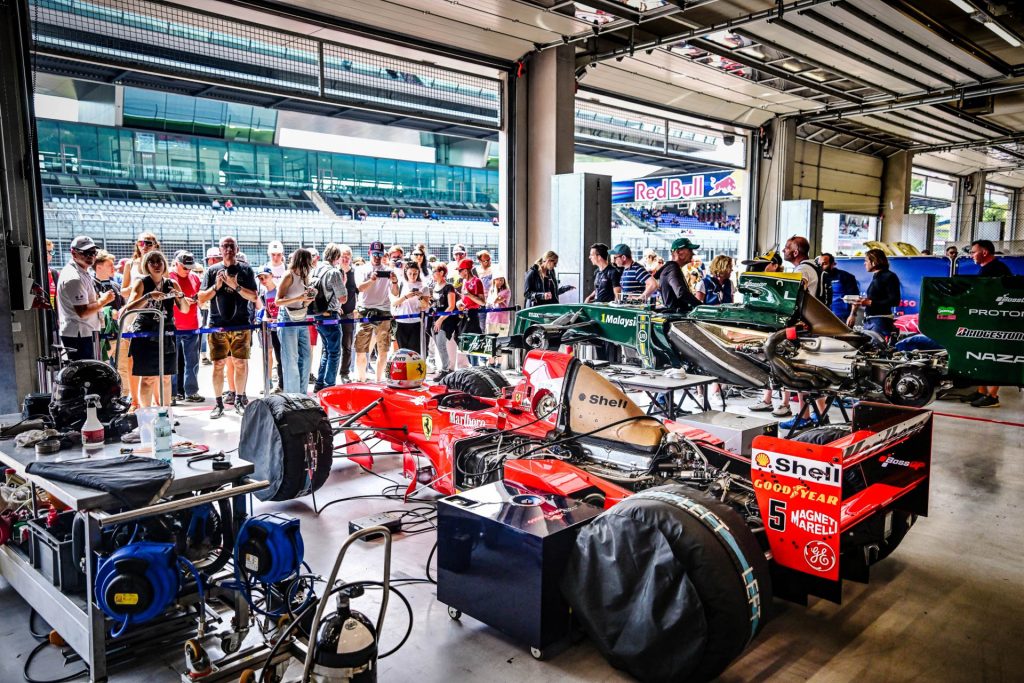
Among the Formula 1 cars regularly seen on the track so far this season are the Toro Rosso STR1 driven by Scott Speed and Vitantonio Liuzzi in 2006, and the race-winning Williams FW25 driven by Ralf Schumacher and Juan Pablo Montoya. There were also guest appearances by the Benetton B197, driven by Jean Alesi and Gerhard Berger in 1997; the Prost AP02, raced by Olivier Panis and Jarno Trulli in 1999; and the more recent Lotus T127, campaigned by Jarno Trulli and Heikki Kovalainen in 2010. Most of the race cars in BOSS GP are modern F2 Turbo cars, GP2 Mecachrome V8 powered cars from all generations, and World Series V8 cars.
The series has not returned to Circuit Paul Ricard since 2023. With the race in November, they bring the 2026 season, which consists of six rounds around Europe, to a close.
Pirelli is the exclusive tyre supplier to BOSS GP. The renowned Italian tyre manufacturer offers BOSS GP participants a unique product: F1 performance combined with easier tyre warming up.
Each BOSS GP race weekend consists of two free practice sessions and one 30-minute qualifying session, followed by two 22-minute races, held on Friday and Saturday.
Recent Comments