
François Rivaz, Frank Stippler and Alexander Furiani have won the 2026 2 Tours d'Horloge, run at Paul Ricard on 7 and 8 November, in the Côtes du Rhône Racing Team Chevron B19. Behind them the Porsche 964s fought out the rest of the race. Romain Dumas waved the field away at four o'clock on Saturday afternoon, in sunshine and in front of a big crowd. Sunday brought rain, one more problem for the drivers to solve, and another chapter for a race that has no equivalent.
The 2 Tours d'Horloge is the only 24-hour race for historic competition cars. Before the drivers got to it, The Originals Renault – La Collection ran two parade laps: Victor Jabouille took a Renault Alpine A443 round, Alain Serpaggi an Alpine M65, Stéphane Ortelli a Renault Alpine A441. Three cars, and a good deal of Renault's history in endurance with them. The brass band came through next, and then the Le Mans start the race has kept since 1992. The drivers sprinted to their cars, formed the grid a second time and set off to work for 24 hours. On the terraces and in the grandstand, it felt like the 24 Hours of Le Mans.
Chevron in command
Furiani led from the flag. He had put the No 55 Chevron on pole and he pulled away with it immediately, leaving the Mansfeld team's No 61 KMW Porsche SP30 and Atelier 43's No 28 Chevron B16 to run second and third. The B16 did not hold third long. Mechanical trouble in the second hour put it in its garage for a long spell and dropped it to 21st.
The safety car came out four times in the first four hours — oil on the track, cars stopped in awkward places — and the race stayed close: four hours in, the 55 led the KMW Porsche SP30 by two laps, no more. A 13-minute stop for the Chevron then handed the Porsche the lead outright. Stippler took most of a minute back over his stint and put the Chevron in front again. The KMW was the one car on its level, and in the seventh hour it broke its left-front upright.
By midnight the Chevron was eight laps clear and had nothing left to threaten it. The three drivers managed that lead rather than building on it. Stippler, who had taken pole on Friday, did not drive at night: Furiani climbed in at midnight, and Rivaz took over around 2.30am for a double stint. With two hours to go the lead stood at 12 laps over the No 66 Porsche. The final stop cost ten minutes — brake pads, rear tyres, a look at the engine — and nothing else. At the end of the 24 hours the 55 had covered 505 laps, close to 2,940km, and finished 11 laps ahead of the Porsche.
The 55 won SP 1 as well. It had been alone in the class since first light: the No 28 Chevron B16 blew its engine at about 6.30am, with Xavier Michel, Christian Vaglio-Giors and Gislain Genecand having hauled it back to 17th after the previous evening's troubles. Chevron has now won the race seven times, and a B19 has won it once. Rivaz, Stippler and Furiani had not won it at all before. The three have shared the same No 55 since 2024, when they finished seventh; in 2025 they were second, on the same lap as the winner.
Team Zosh Classic Modulia started its No 66 Porsche 964 sixth and led the 964 class with it from the first lap to the last. Nicolas Beloou, Jean-René de Fournoux, Jean-Bernard Bouvet and Max Chatelier brought it home second overall, which won them the GT class. This was an experienced crew — de Fournoux and Bouvet have 17 Le Mans starts between them — and the car's limits held no surprises. The opposition was real, though. Carzilla Racing Team's No 26, shared by Philippe Burel, Patrick Bonnardel, Julien Briche and Rudy Burot, ran third from midnight to the flag, took the last step of the overall podium and finished second in class. Through the night Briche and Bouvet raced each other on the stopwatch, out of sight of one another.
Four cars went after fourth place overall: the Salewsky team's No 116 Porsche 964 Cup, the No 35 BMW 323i, the No 51 March 81S, and Fabio Spirgi's No 964 Porsche 964, run by Moderne Racing Team. None of them got it. The No 46 Porsche 964 Cup came through from a long way back and took fourth in the 21st hour. Spirgi, Mikael Lambotte, Richard Feller and Guido Gri finished fifth in the No 964, one place off the 964 class podium. The No 116 of Maxwell Pölzler, Marcus Menden and Nick Salewsky was still fourth at 19 hours, then stopped to have a damaged light attended to at the right rear; it came home sixth, fifth in class, a lap up on the No 35 BMW. The No 51 March was eighth.
Wassermann Racing won the Saloon Car class with its No 35 BMW 323i, and made one of the climbs of the race doing it. Eric Wassermann, Charles Veillard, Nicolas Siebenschuh and Patrick Carrier started 19th. They led the class at every hour, were inside the overall top six by the 11th hour, gave sixth back to the No 116 in the penultimate hour and finished seventh. The No 22 Caterham Superseven of HCCR / Garage Delarche lost time to several spins in the first rain of the morning and still took second in class, catching the No 72 Porsche 911 3.0 SC of Flatsix Le Mans Circuit in the 22nd hour. The Porsche was third.
Équipe Palmyr won this race in 2024 with a March 81S and won the Sport 2000 class with one this year. 'Nelson', François Belle, Augustin Sanjuan and Jean Dionisotti took the No 51 to the class win with a starter motor that kept giving up on them. G-Sport's No 41 Tiga SC 79 was ninth overall and second in class. Les Chevronnés took the last place on the class podium with the No 27 Chevron B60, passing the No 40 Crossle 47S of 4 Fantastics in the final hour; the Crossle had nearly missed the start and gave up for good at about one o'clock.
The biggest recovery of the race belonged to 2B Autosport. Hugues, Karl and Cesar Vandewoestyne and Florian Latorre started their No 46 Porsche 964 Cup fourth, lost the first two hours to a gearbox and stood 25th after an hour of racing. A new gearbox went in and the climb began, slowed by tyre wear well beyond anything the team had allowed for. Fourth overall came in the 21st hour, and third in the 964 class with it. At the flag the No 46 was on the same lap as the No 26, 25sec short of the overall podium.
Statements from the Winners
François Rivaz: 'From the outside our race may look like a smooth one, but it is never simple. We had a few problems and the team sorted them out. It was our third year together and this time we got the stints right, and the pace, and the parts. Everything lined up.'
Frank Stippler: 'Last year we had one problem after another, and no luck at all. This time we were able to run our strategy from the start of the race and drive the way we wanted to. Our car is built for sprint racing rather than for 24 hours, so the first job was to look after it and see the finish, and that makes this win even better.'
Alexander Furiani: 'We built our race in the opening laps by getting to the front quickly. The rain made it harder after that, with changing conditions and wet tyres we were discovering as we went, but everything worked. Winning this race at last, having first entered it in 1994 in an Alfa Romeo Giulia, means a great deal.'
Fighting the machinery
Midnight brought the onion soup out into the pit lane, as it always does. The night was cold, which suited the cars: they ran quickly through it, apart from a damp spell around midnight and the rain that came with the morning.
Other teams spent the 24 hours fighting their cars. Team TH lost a head gasket on its No 34 Austin Mini 1300 and changed the engine in 23 minutes; the mechanics then rebuilt the old one overnight so that it could go back in if it were needed again. Thierry, Enzo and Frédéric Thiefain won in Historique category with it. Team Zosh Classic's No 99 Porsche 944 S2 caught fire, briefly, and the fire was out quickly enough for the car to go back on track; Julien, Sébastien and Franck Hardonnière and Timéo Hérisson won the 944 class with it, after Racestreaming's No 44 Porsche 944 S2 retired at about four o'clock. Hérisson had come from karting. He was the youngest driver in the field, and the No 99 gave him his first car race.
The No 11 TVR Griffith 200 broke its axle early on and lost more than 30 laps. Eric Van de Vyver, Léo Mothe, Guillaume Maillard and Patrick Brossard then spent the night on electrical faults and on the axle seal, over and over. The car came right in the end, found a steady rhythm and reached the finish.
Rédélé Compétition ran its No 310 Alpine A310 V6 like clockwork until the morning, when it retired. Jean-Charles, Laure and Victoire Rédélé and Paul Rousseau had covered 324 laps by then, enough for 19th place and the GT 3 class win. Chateaux Sport Auto's No 183 BMW 635 CSi ran fifth overall for two hours, lost a long stretch of time early in the evening and fell to 18th, then began working its way back. A front brake problem kept returning on Sunday morning and slowed it. Early in the afternoon the engine let go, with the car well clear at the head of TC 4. Its 403 laps still took 15th overall and the class win, ahead of JMW Racing's No 82 BMW 635 CSi, which was quicker than some of the prototypes once the rain came. Sorg Rennsport started its No 325 BMW 325i 23rd, finished tenth overall and won TC 3 without a mechanical problem of any kind. When the track dried the team pulled off the overheating wet tyres, fitted semi-slicks and gave the car to its most experienced driver.
A V de V Sports meeting is never only about the racing. At midnight on Saturday the onion soup went round the drivers, the mechanics, the marshals and the officials, the way it always does. The 2027 season opens with a four-hour endurance race at Magny-Cours. See you there.
The support races
Five support grids filled out the 2026 2 Tours d'Horloge: single-seaters, GTs and touring cars. The racing was hard in all of them.
- BOSS GP: Ingo Gerstl had won seven times this year in his Toro Rosso STR01, and he won nothing on the fastest grid of the weekend. Japan's Juju Noda beat him on Friday, Italy's Simone Colombo on Saturday. Marco Ghiotto leaves with the Formula title and Paul O'Connell with the World Series crown.
- Trophée Lotus: Dominique Vulliez beat Nicolas Beloou to the line by 0.062sec in the first race. The second, on Sunday, went the other way.
- ASAVE Racing 65: Guillaume Mahé won both races in his Shelby Cobra Daytona, with Eugène Delplanque's AC Cobra and Jérôme Cattelin's Lotus Elan behind the Equipe Europe car.
- ASAVE Racing 76: Porsches took both races. Jean-Jacques and Johan Renaut won the first in their 1975 Porsche 911 3.0 RS, and Edgar Salewsky of Germany won the second.
- Ferdinand Cup Nextgen: Cédric Toison won both races in the No 911 Porsche 996 Cup, driving for NAD System by HRT.
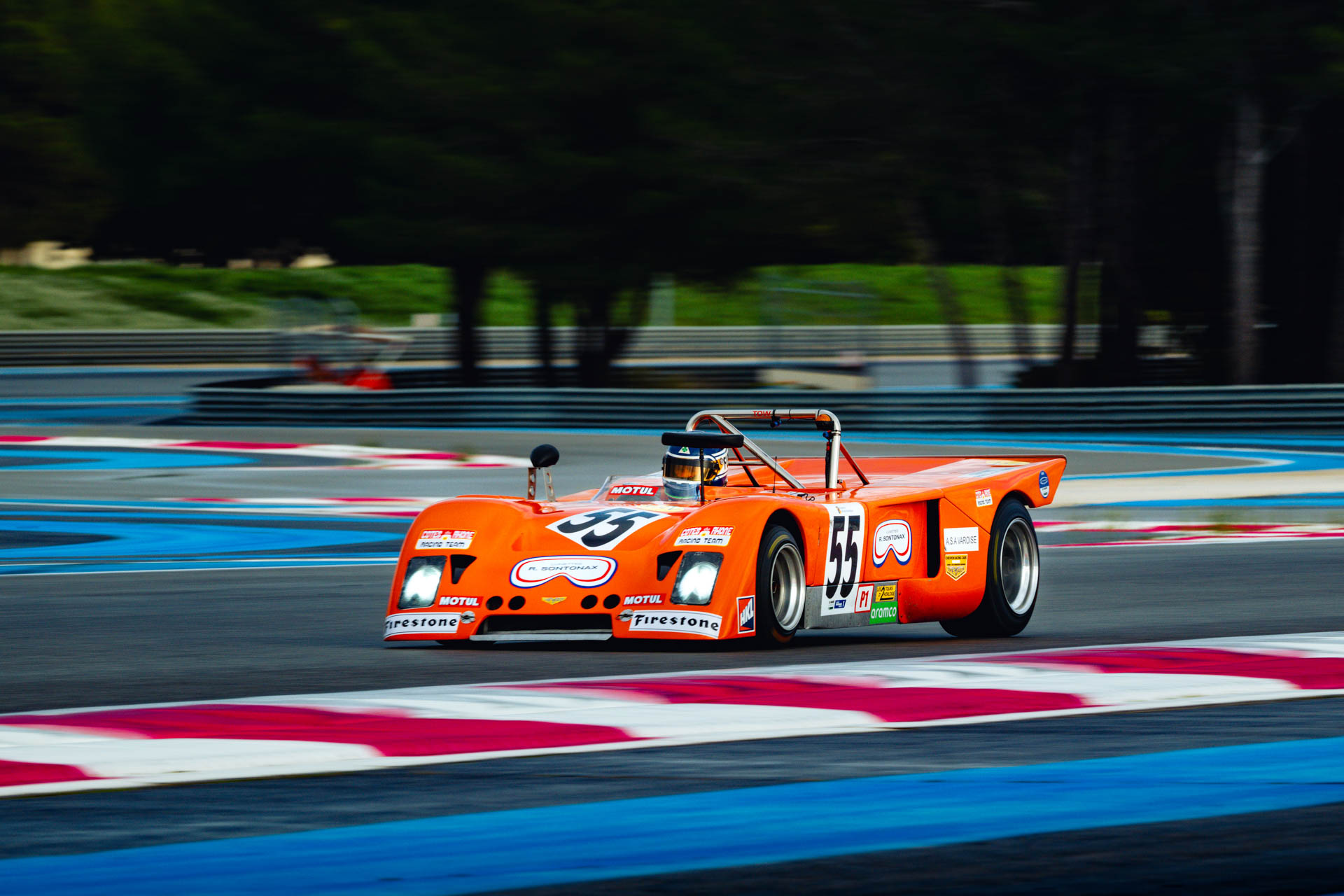
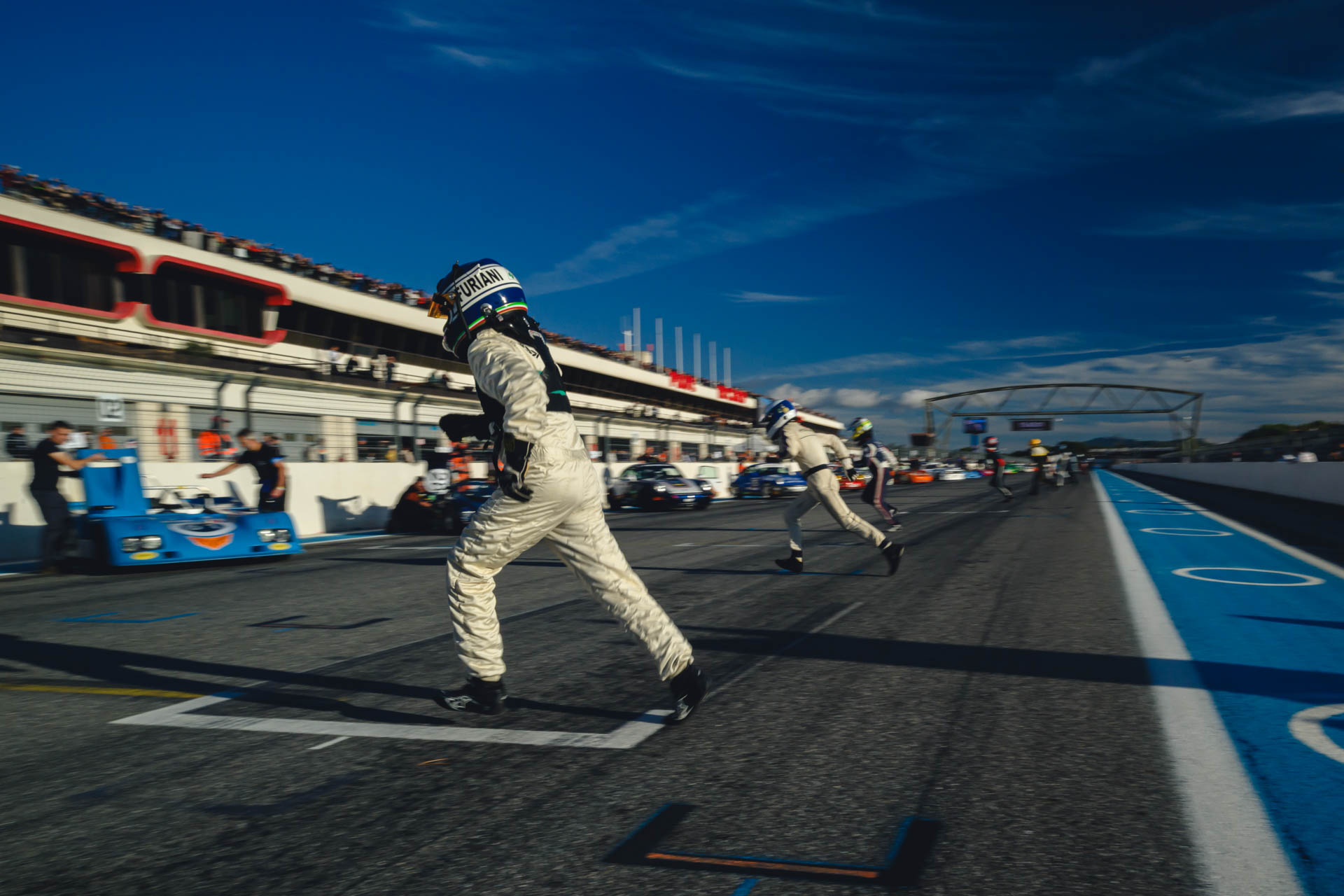
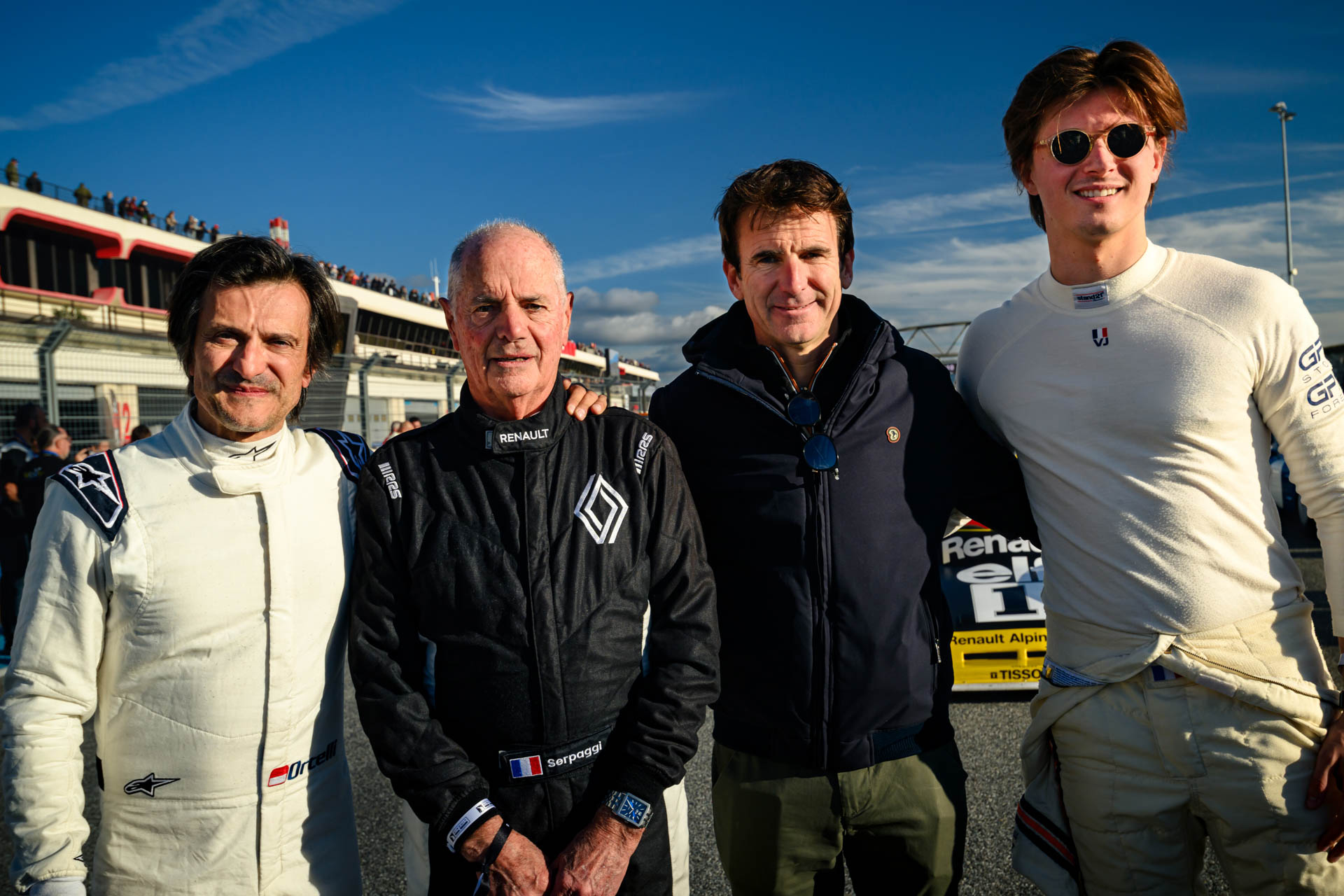
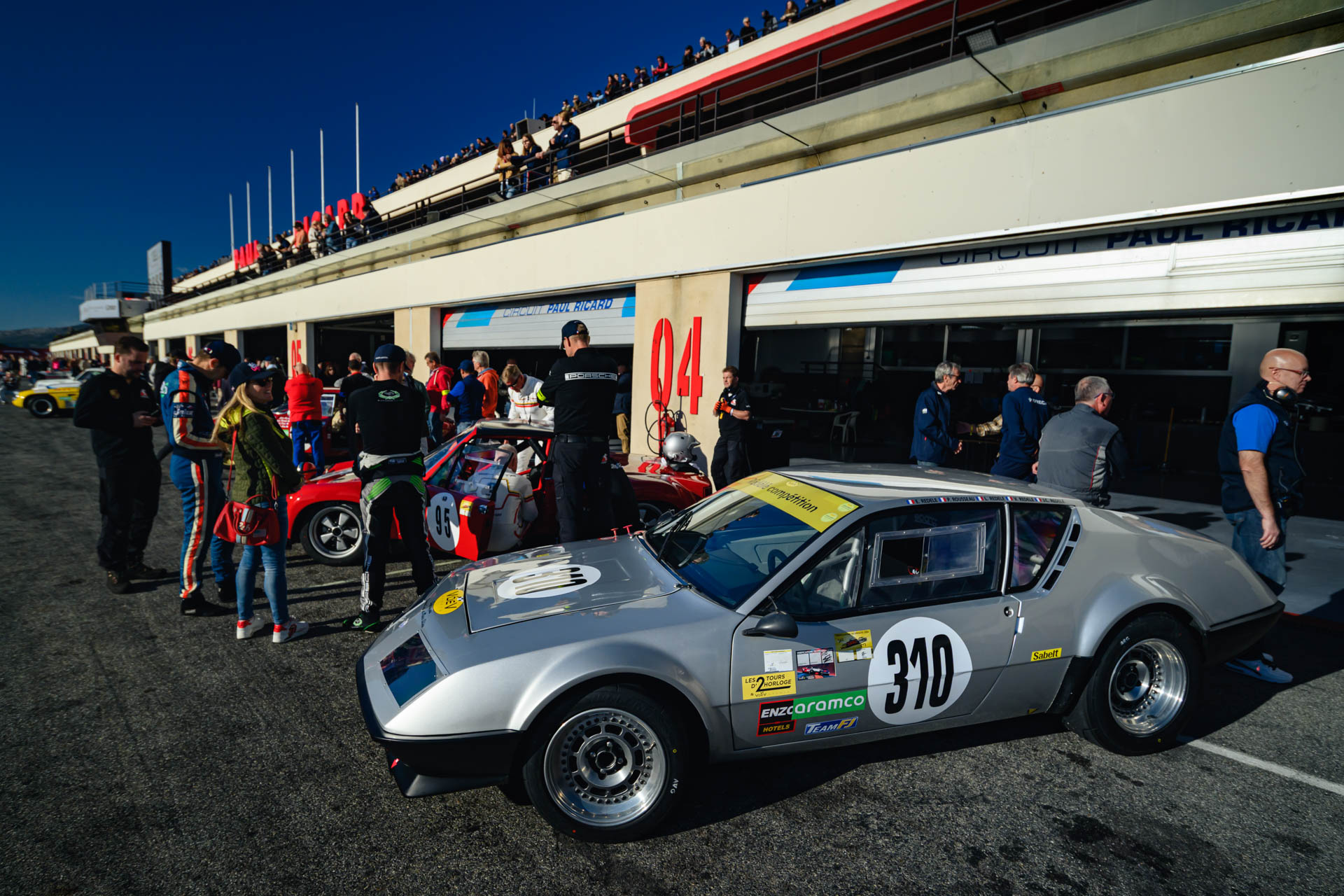
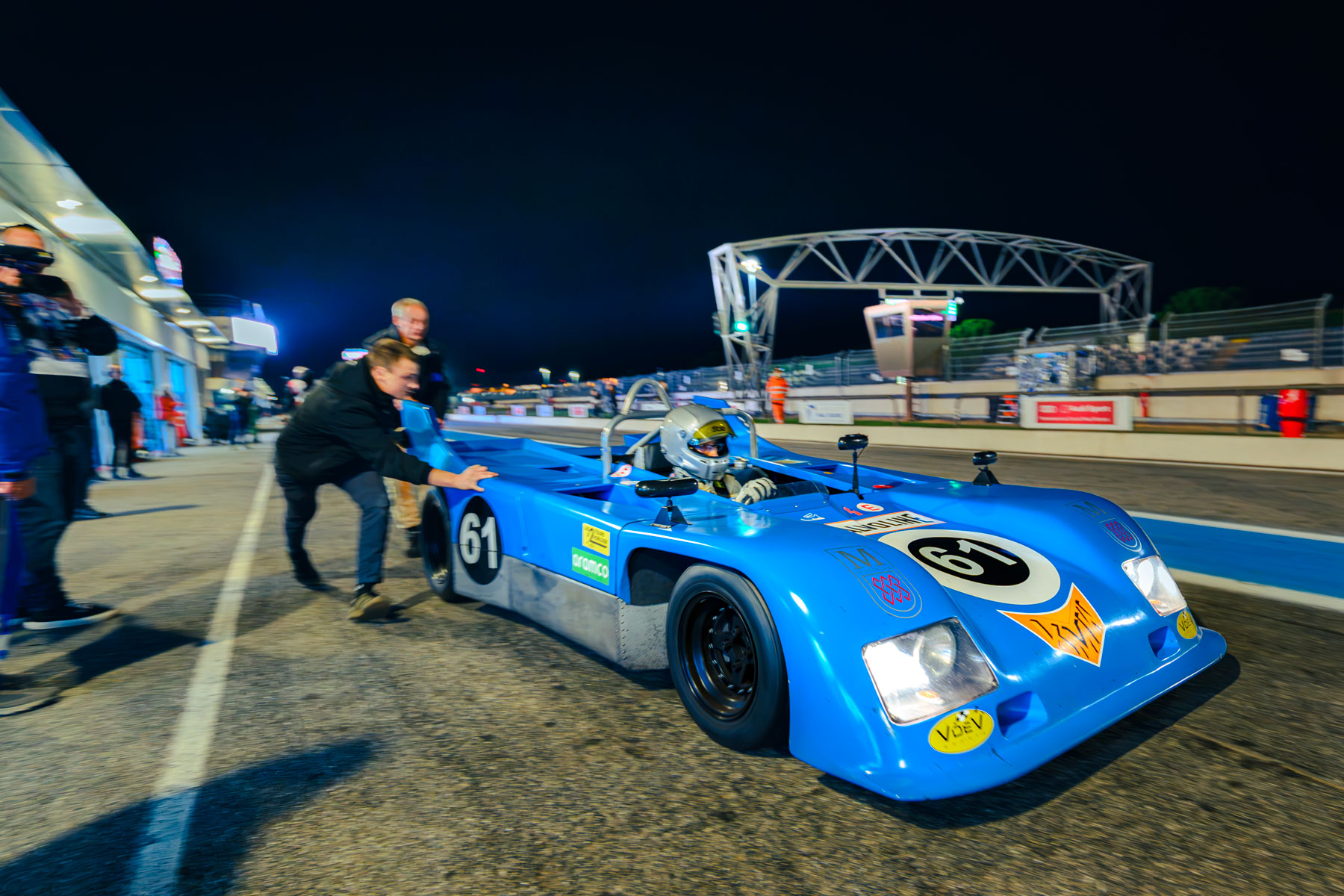
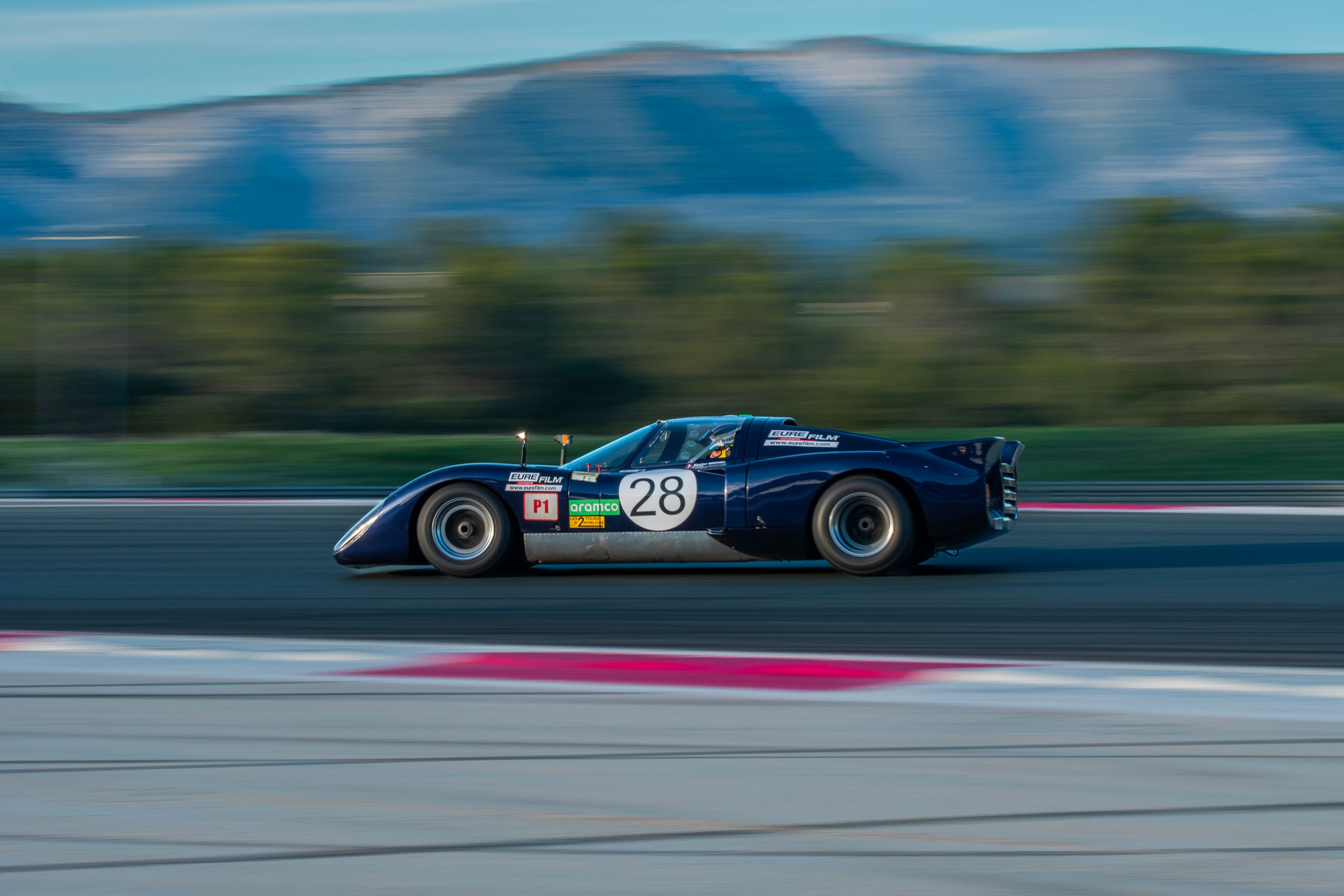
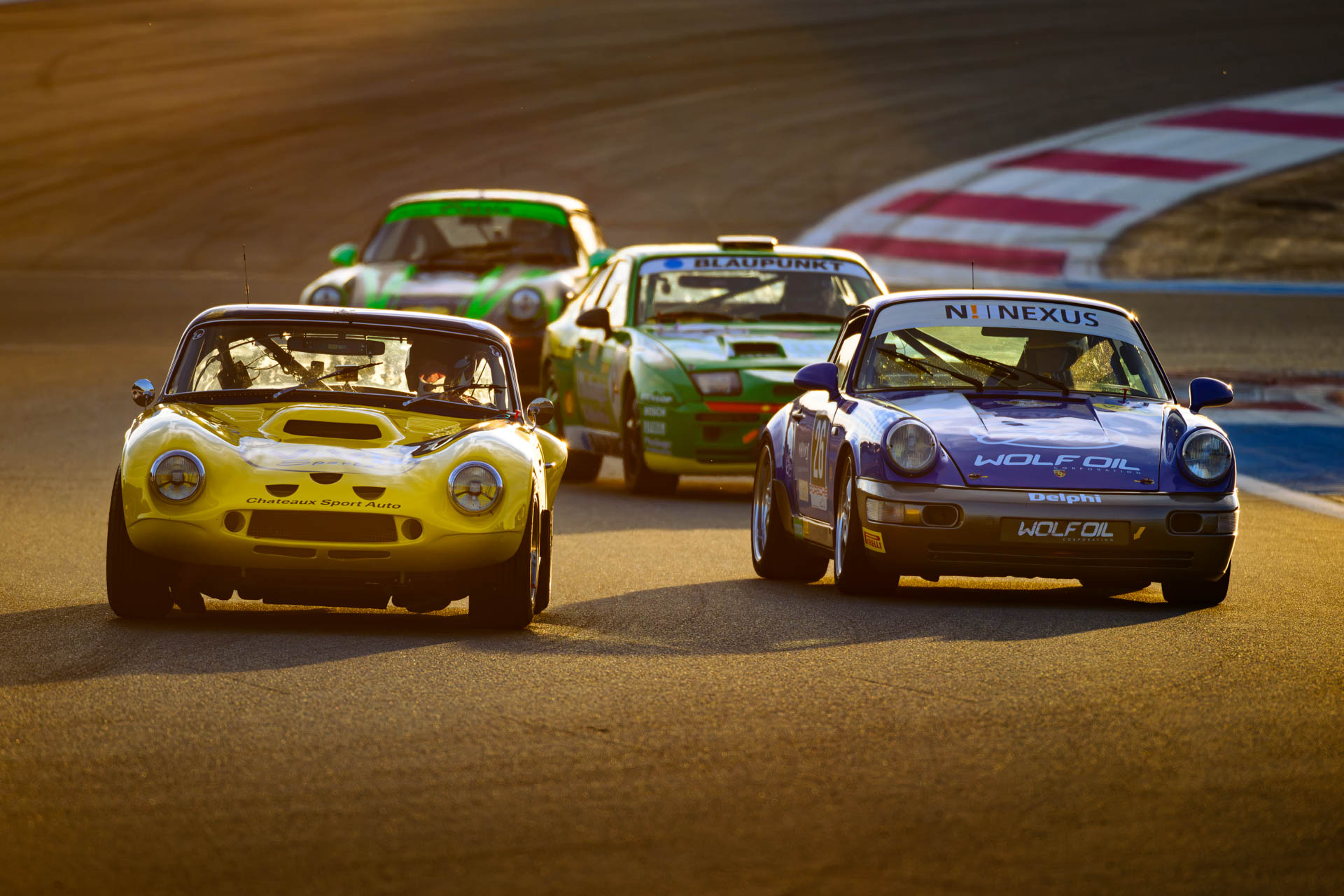
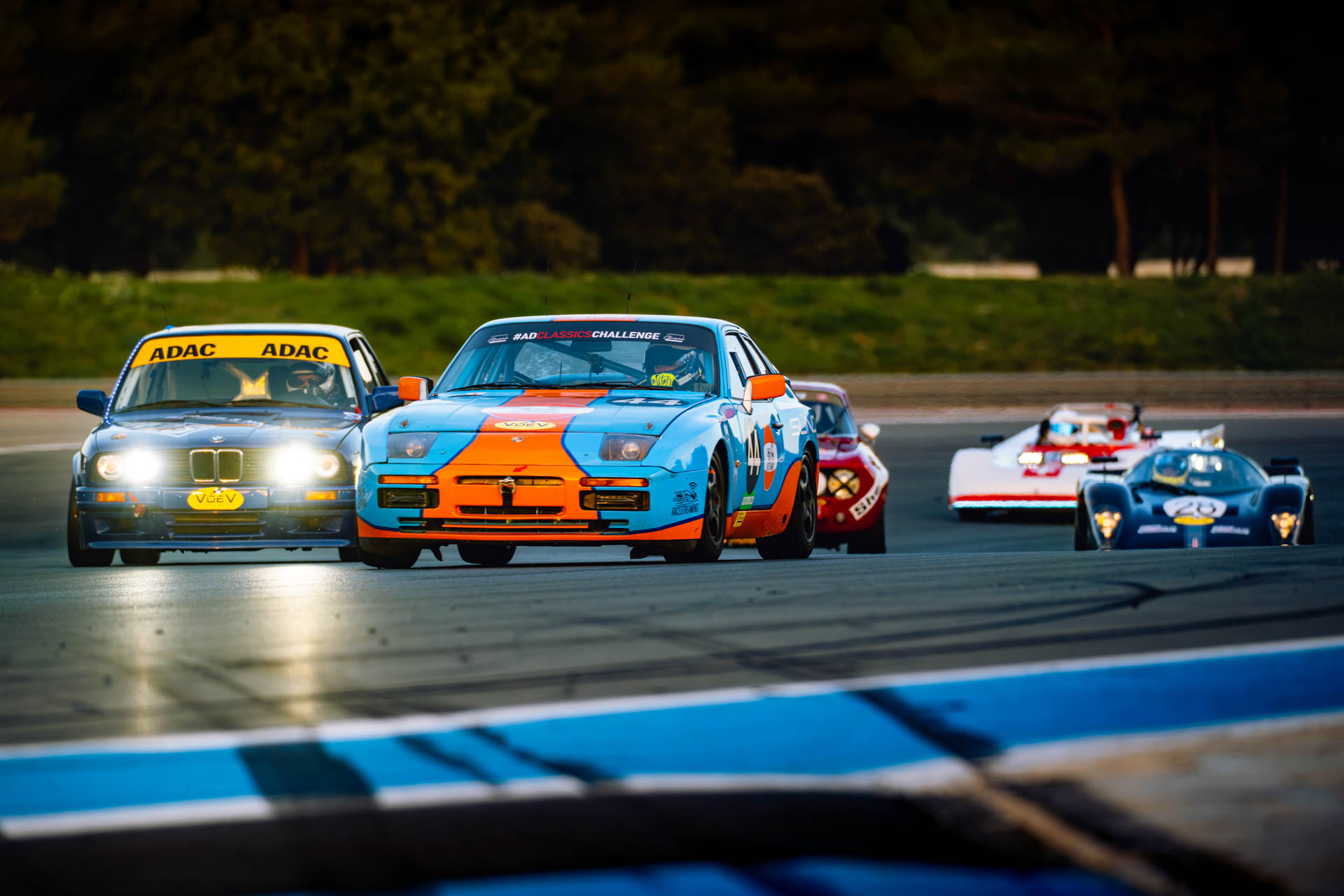
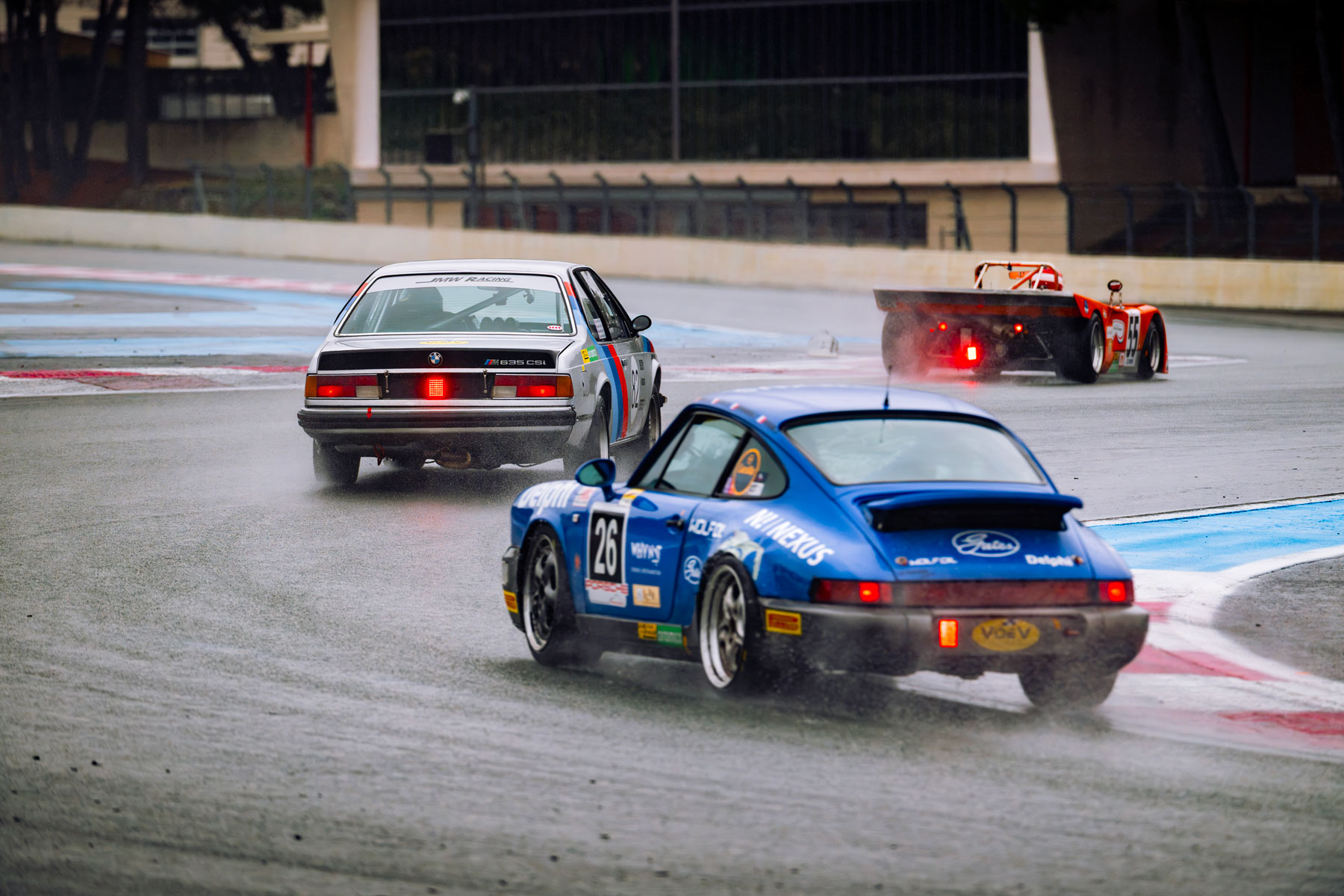
Photo: Gilles Chaulet / Pascal Scolan
Relive the 2026 2 Tours d'Horloge